 THE MINERAL DIOPSIDE
- Chemistry: CaMgSi2 O6, Calcium Magnesium Silicate
- Class: Silicates
- Subclass: Inosilicates
- Group: Pyroxenes
- Uses: occasionally used as a gemstone and as a mineral specimen.
Specimens
Diopside has several varieties, including a chromium-rich gem variety called
PHYSICAL CHARACTERISTICS:
- Color is clear, white, blue, bright and pale green to yellowish or greenish brown.
- Luster is vitreous.
- Transparency crystals are transparent to translucent.
- Crystal System is monoclinic; 2/m
- Crystal Habits include short prismatic, rarely tabular crystals. The square cross section is distinctive in the prismatic crystals. Also compact, granular, columnar and massive.
- Cleavage is perfect in two lengthwise directions at close to right angles and a basal parting direction is sometimes seen.
- Fracture is uneven, even rough.
- Hardness is 5 - 6
- Specific Gravity is approximately 3.3 (slightly above average)
- Streak is white.
- Other Characteristics: Some specimens have been known to fluoresce and some specimens have inclusions that can form "cat's eyes" if polished in cabachon.
- Associated Minerals are grossular, andradite, fluorite, dolomite, chlorite, vesuvianite, phlogopite, actinolite, olivine, iron meteorites and calcite.
- Notable Occurrences include St. Lawrence Co., New York, USA; Ural Mountains, Russia; Mt. Vesuvius and other locallities in Italy; Austria; Germany; Sri Lanka; Brazil; Mogok, Burma; Madagascar; Kimberly, South Africa and Outokumpu, Finland.
- Best Field Indicators are crystal habit, associations, color, fracture and cleavage.
 Amethyst Galleries' Mineral Gallery MINERALS |
$ 80.00
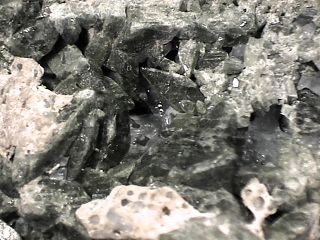
dps-1 ($ 80.00)
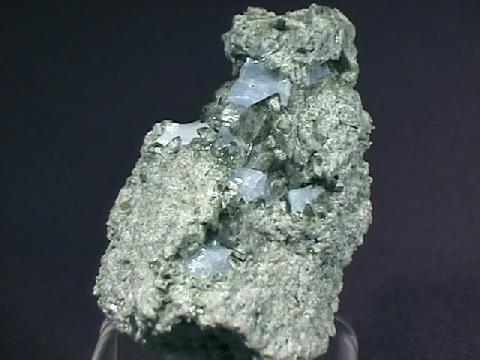
$ 60.00
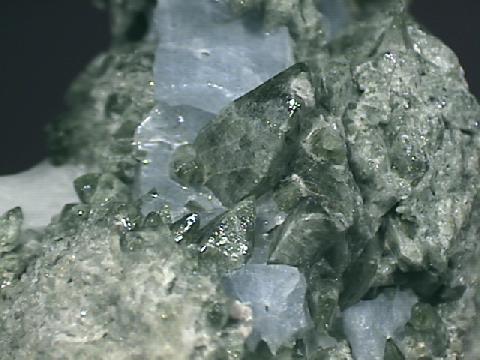
dps-2 ($ 60.00)
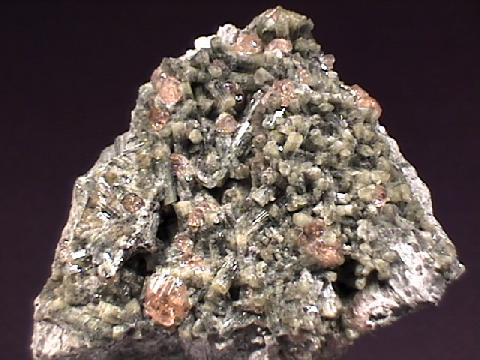
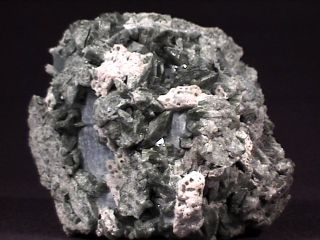
 DIOPSIDE specimen dps-3
$ 140.00
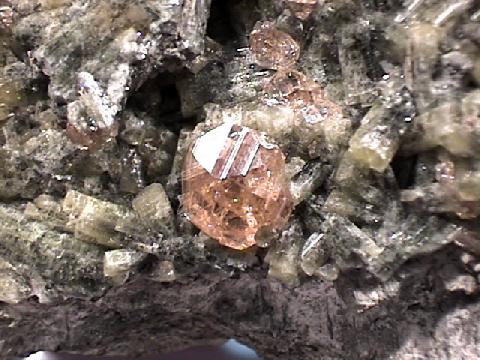
 dps-3 ($140.00)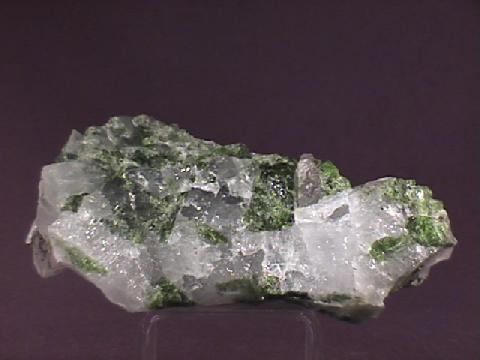
$ 32.00
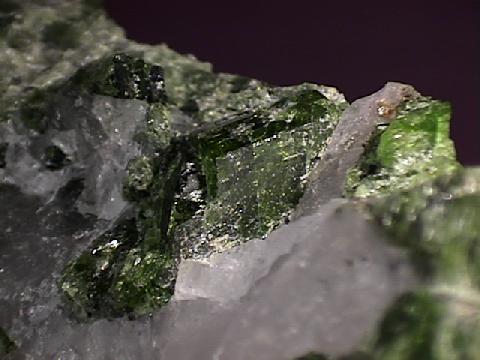
dps-4 ($ 32.00)
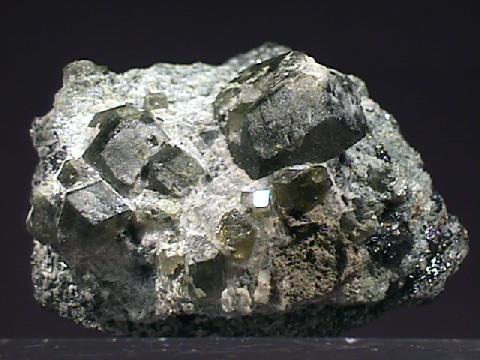
$ 25.00
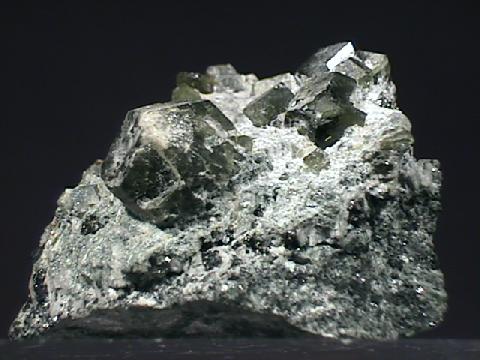
dps-5 ($ 25.00)
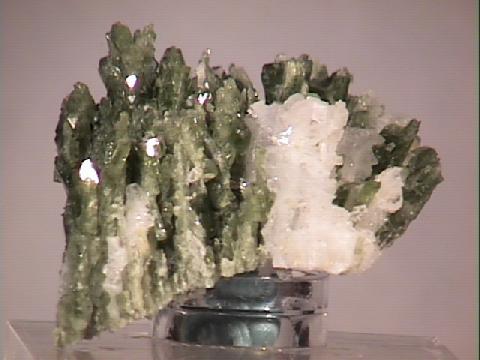
$ 30.00
dps-6 ($ 30.00)
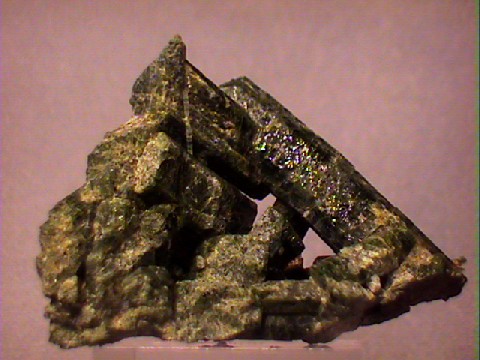
$ 50.00
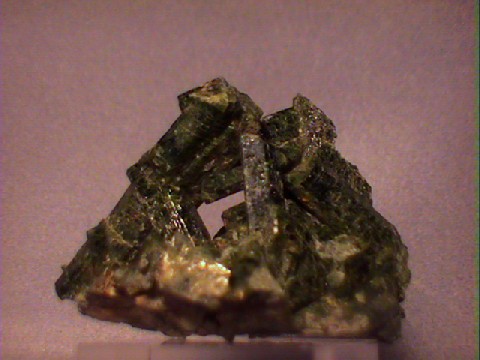

dps-7 ($ 50.00)
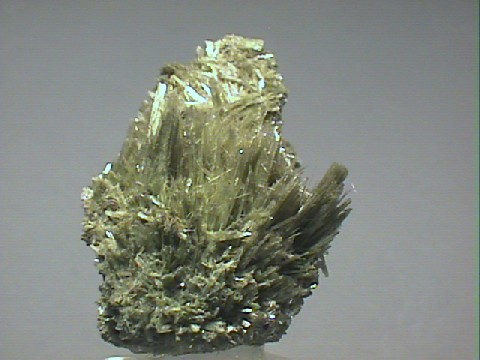
$ 29.00
dps-8 ($ 29.00)
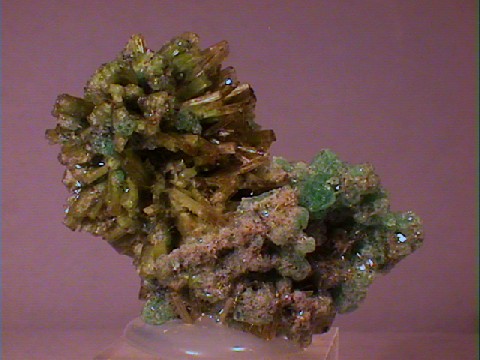
$ 90.00
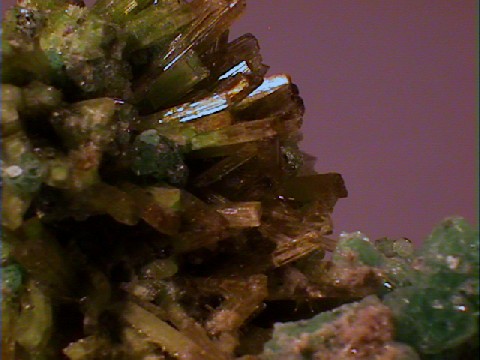
dps-9 ($ 90.00)
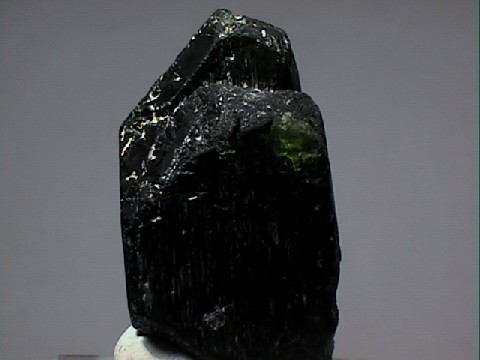
$ 54.00
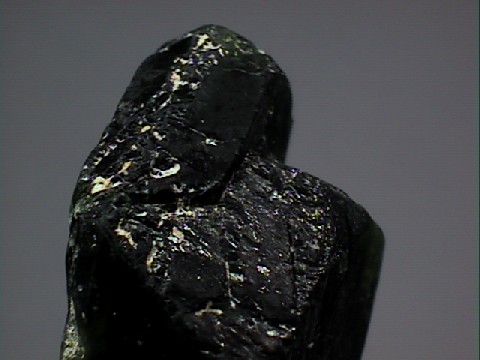
dps-10 ($ 54.00)
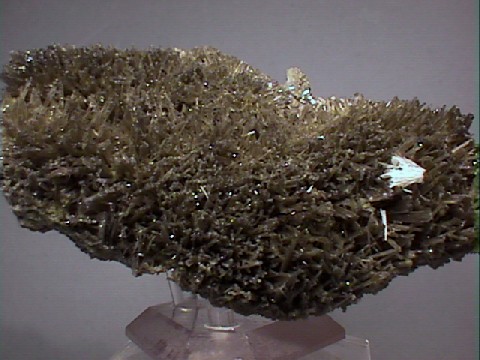
$ 60.00
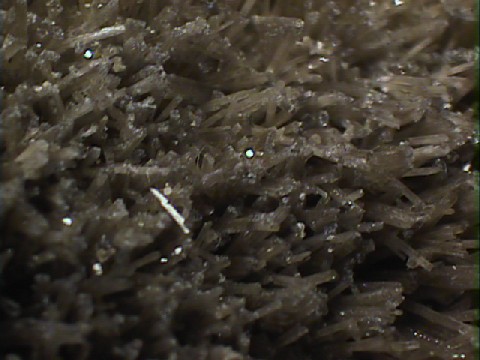
dps-11 ($ 60.00)
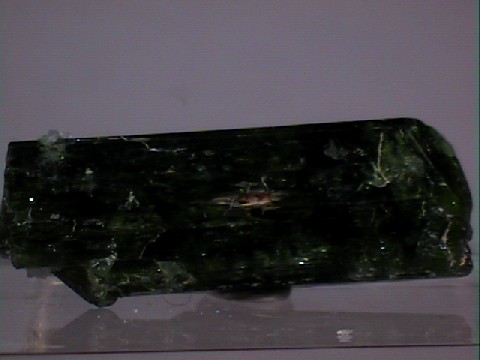
$ 55.00
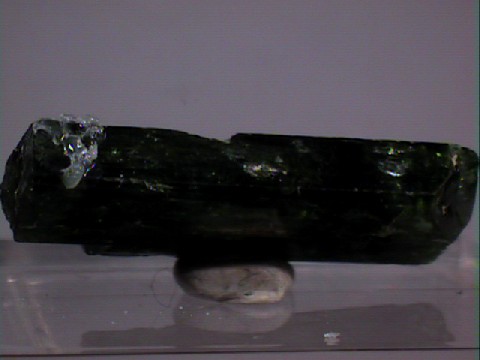
dps-12 ($ 55.00)
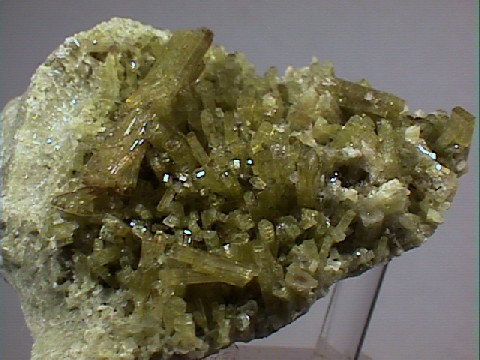
$ 25.00
dps-13 ($ 25.00)
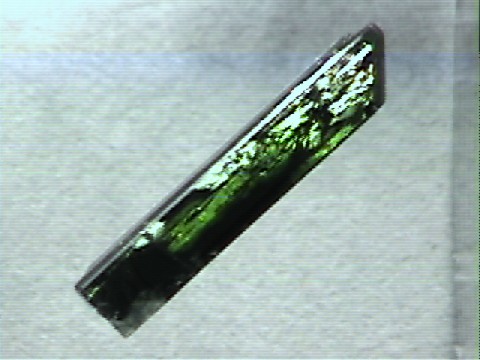
$ 70.00
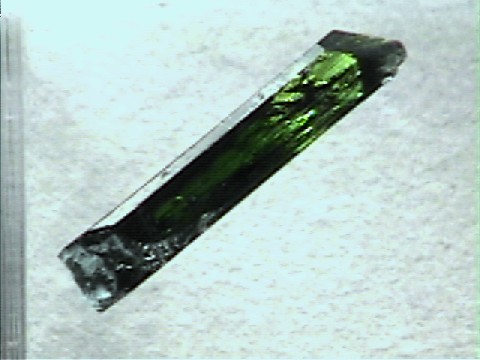
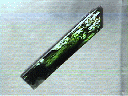
dps-15 ($ 70.00)