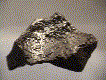
 IRON-NICKEL
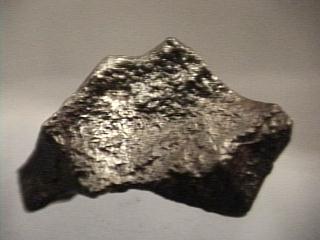
- Chemistry: Fe-Ni, Elemental Iron-nickel
- Class: Elements
- Group: Iron
- Uses: as a mineral specimen and scientific studies.
Specimens
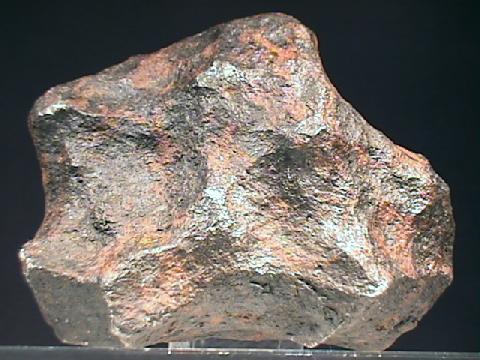
The meteorites that contain iron-nickel crystals are fascinating in their possible origins and diversity. In the early solar system, asteroids and comets sometimes grew large enough to be considered planetary embryos (objects hundreds of kilometers in diameter, including the four largest remaining asteroids). These bodies were large enough to differentiate, even to melt due to the heat of formation and the decay of radioactive isotopes. This melting allowed the dense iron and nickel to sink to form a metallic core. At one point, there were at least tens of thousands of these planetary embryos, and they began to collide to form the planets. Some of the more violent collisions shattered the embryos, scattering fragments of their iron/nickel cores around the solar system (these fragments still comprise about 10% of all known asteroids). Different parent embryos would have resulted in meteorites of different compositions.
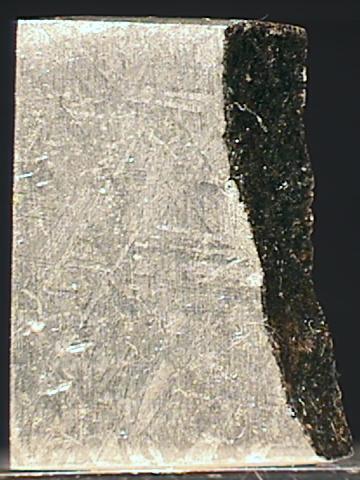
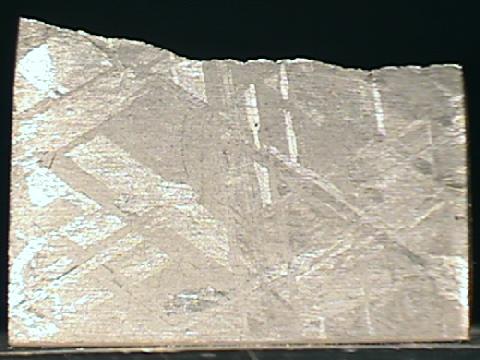
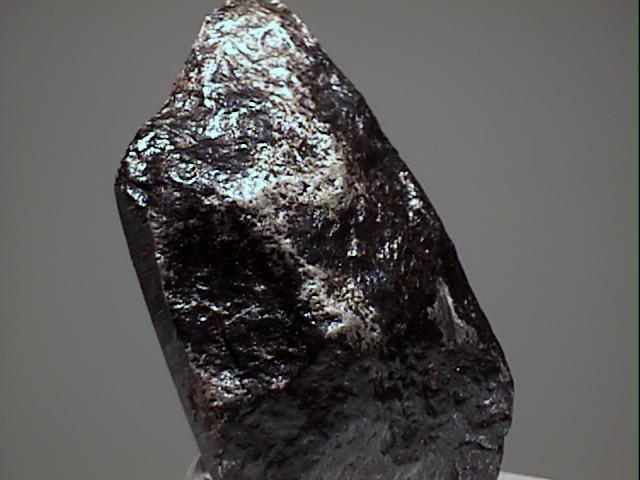
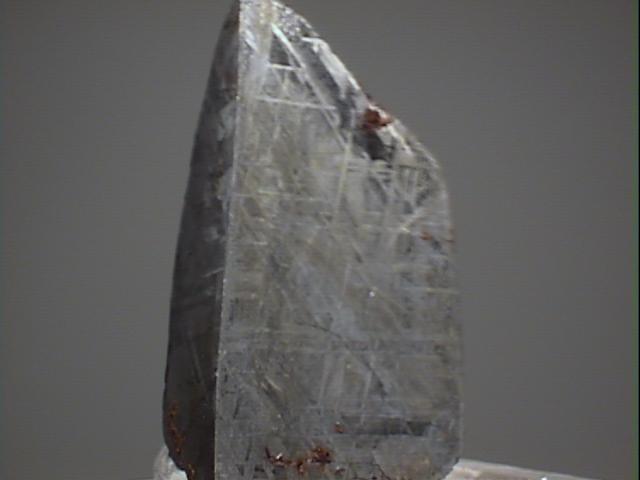
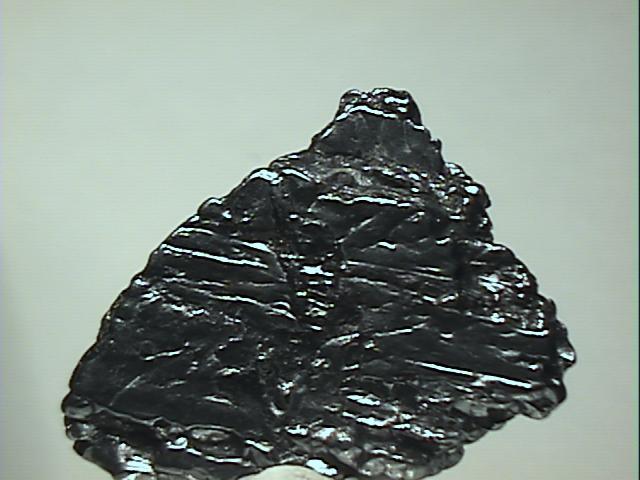
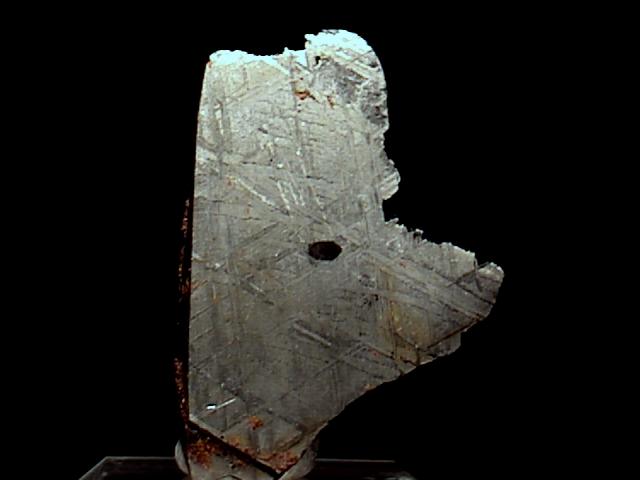
Meteorites are very diverse and even novice collectors can distinguish samples from different known meteorites by their unique character. Often these meteorites have inclusions of large crystals of other minerals such as olivines or pyroxenes, etc or the iron has a unique crystal pattern that is characteristic. The characteristic Widmanstatten patterns (revealed by polishing then acid-etching a slice of the meteorite) reflect the specific nickel-iron ratio and the rate of cooling of the host body and are effectively the fingerprint of an iron meteorite.
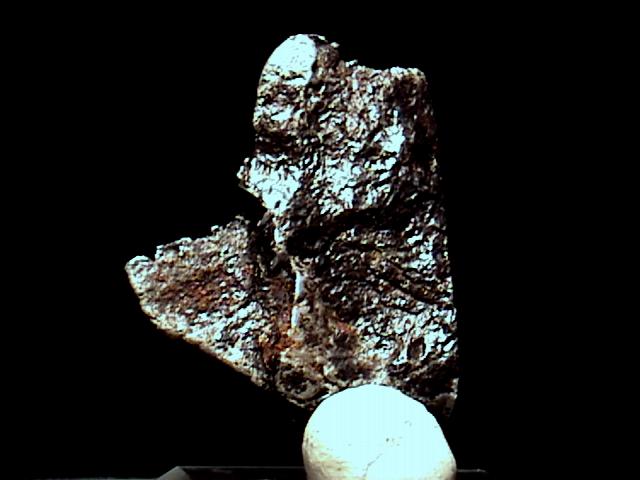
Due to the nature of iron, care should be used in the preserving of valuable iron-nickel samples. Rust is iron's worst enemy and it is recommended to store iron samples with a dehydrating agent (dessicant). Most iron meteorites are found using metal detectors in desert areas. Any dense natural (non-man-made) metal object is likely to be an iron meteorite, and they are primarily found in the desert because they last longer before rusting away. Still, they do rust, they are found entombed in rust, and the lovely metallic meteorites available here and elsewhere have been cleaned to remove the original surface rust. Surface oxidation at high temperature (aero braking) often results in coatings of the black iron oxide, magnetite.
PHYSICAL CHARACTERISTICS:
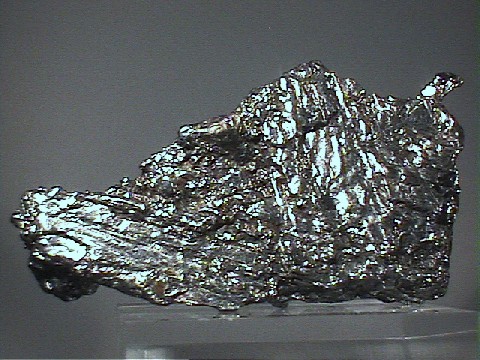
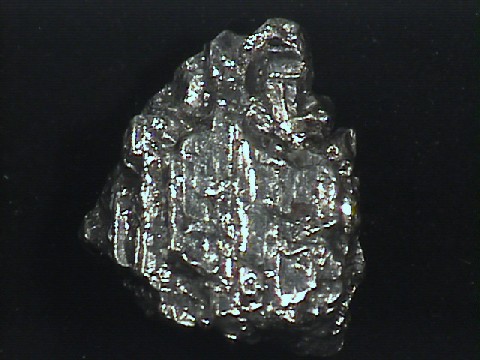
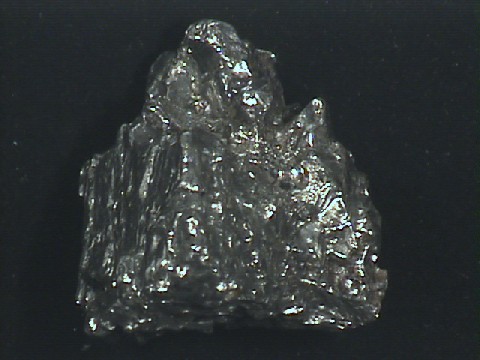
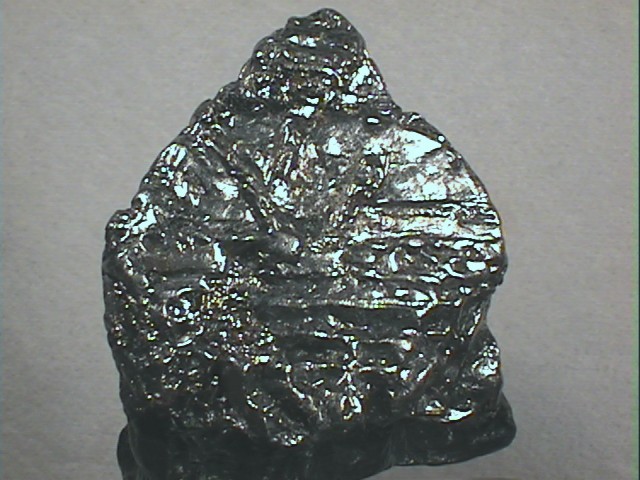
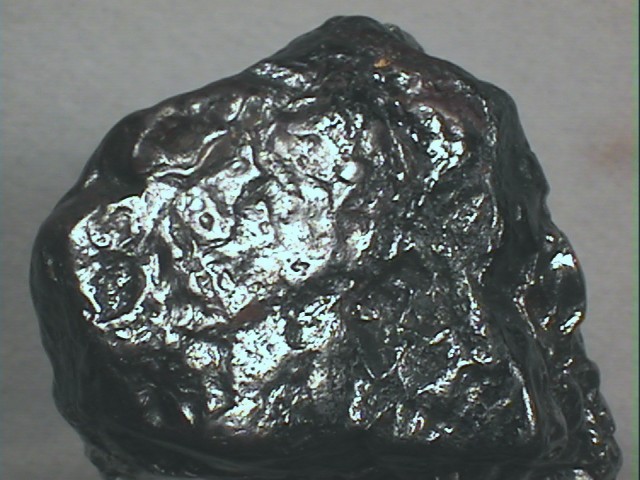
- Color is steel gray or black.
- Luster is metallic.
- Transparency is opaque.
- Crystal System is isometric; 4/m bar 3 2/m
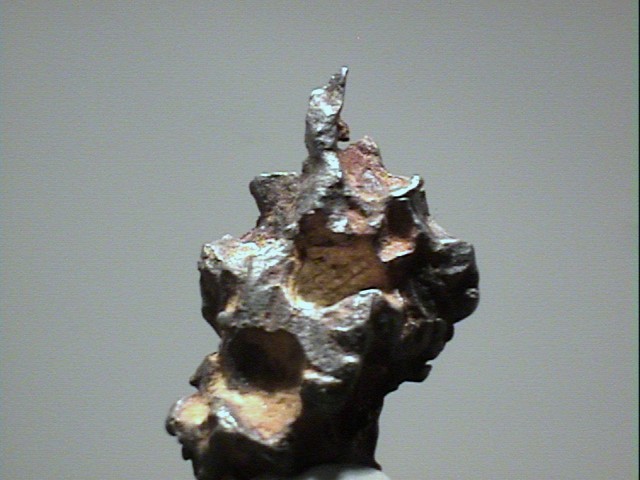
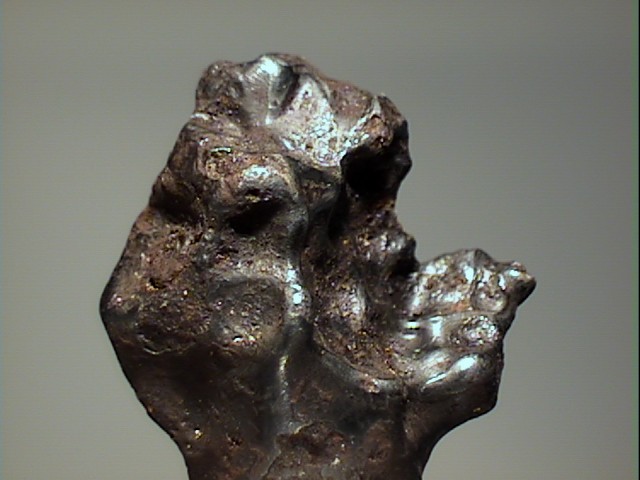
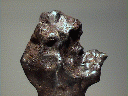
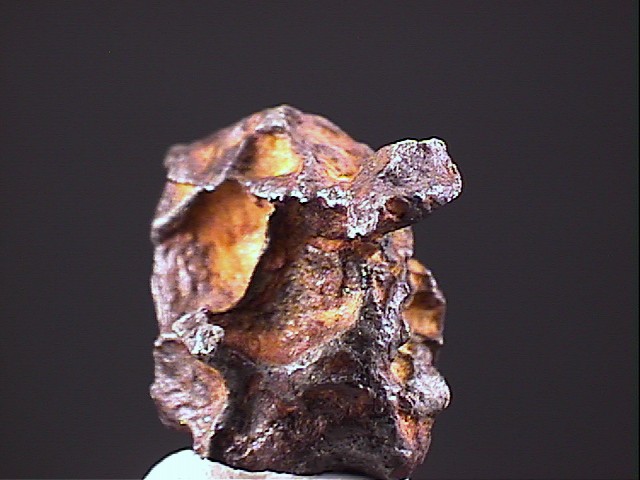
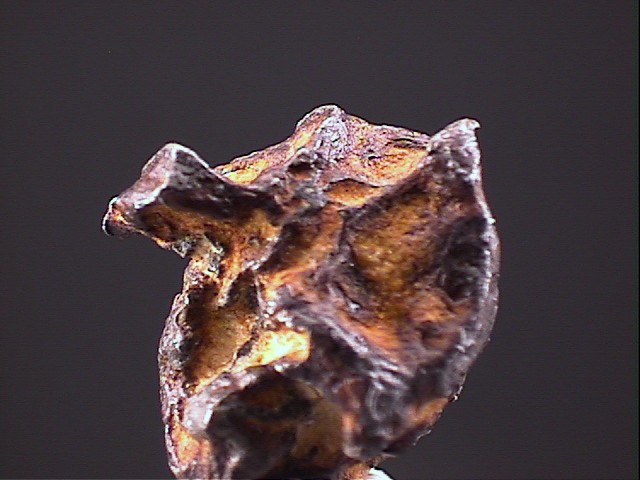
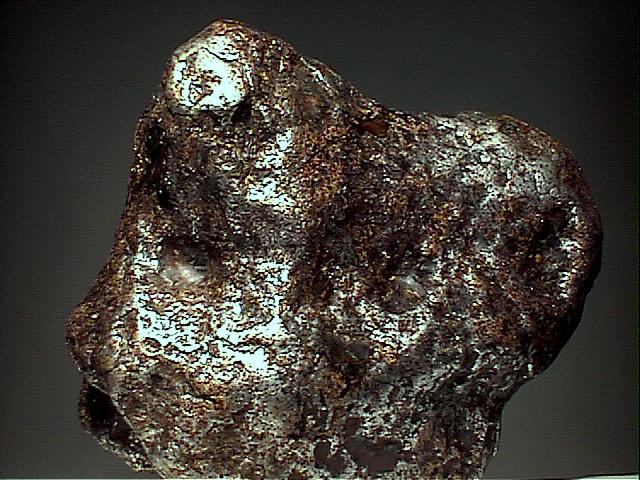
- Crystal Habits crystal form is extremely rare, when etched, meteoritic examples may show interesting and complicated intergrowths of crystals according to different nickel-iron concentrates. Terrestrial samples are massive and appear as small flakes and irregular masses. Meteoritic samples are usually rounded, pitted and irregular.
- Cleavage is absent but crystals will have distinct parallel partings.
- Fracture is hackly.
- Streak is gray metallic.
- Hardness is 4-5
- Specific Gravity is 7.3-7.8 (heavy even for metallic)
- Other Characteristics: malleable, strongly attracted to magnets.
- Associated Minerals are olivine, pyroxenes, and some minerals that are only found in meteorites. In terrestrial samples it is found with gold and platinum and with sulfide ores.
- Notable Occurrences for meteoritic iron are best found in Antarctica, where meteorites are easy to spot against a background of snow and ice. Many specimens are found in Diablo Canyon, Arizona, USA; and in Gibbeon, Hoba, Namibia. Also Meteor Crater (Barringer Crater), Arizona, USA; Australia; Poland and elsewhere. For terrestrial iron, good specimens can be found in the Kola Pennisula, Russia; Disco Island, Greenland; Kassel, Germany and New Zealand.
- Best Field Indicators are color, malleability, attraction to magnets and forms. Of course, when hunting for iron meteorites, a metal detector is the perfect tool.
 Amethyst Galleries' Mineral Gallery MINERALS |
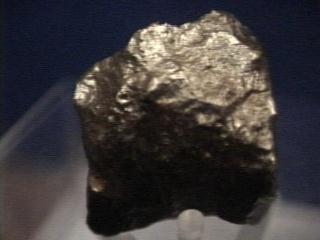
$ 59.00
iro-1 ($ 59.00)
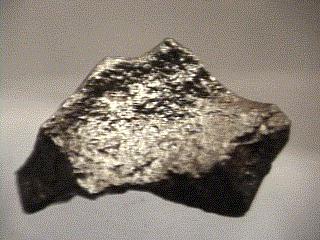
$ 56.00
iro-2 ($ 56.00)
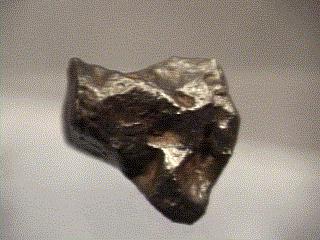
$ 47.25
iro-3 ($ 47.25)
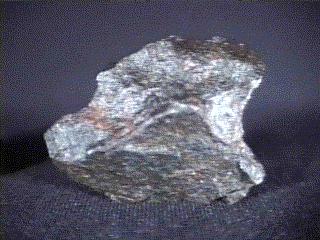
$ 79.00
iro-5 ($ 79.00)
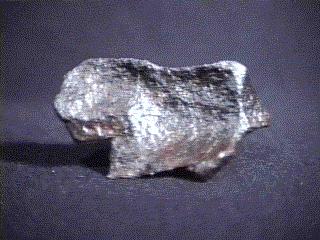
$ 85.00
iro-6 ($ 85.00)
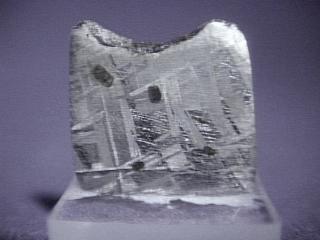
$ 20.00
iro-8 ($ 20.00)
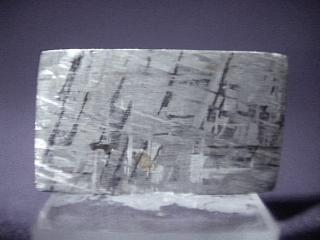
$ 20.00
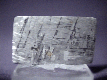
iro-9 ($ 20.00)
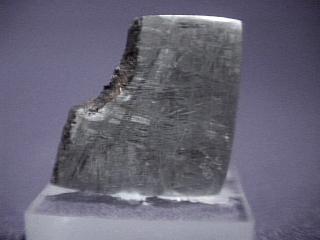
$ 20.00
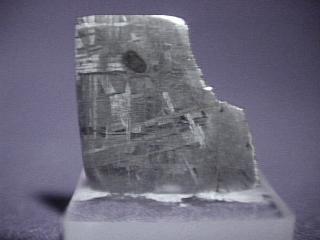
iro-10 ($ 20.00)
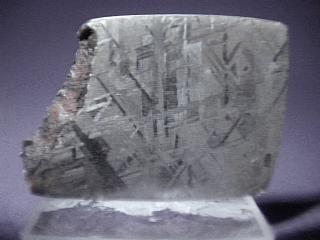
$ 25.00
iro-11 ($ 25.00)
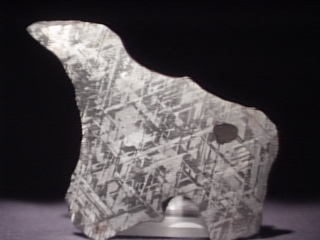
$ 400.00
iro-12 ($400.00)
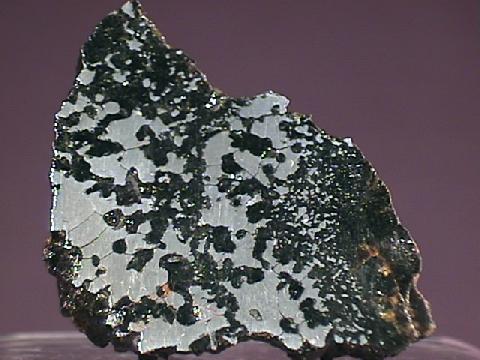
 IRON specimen iro-13
$ 225.00
 iro-13 ($225.00)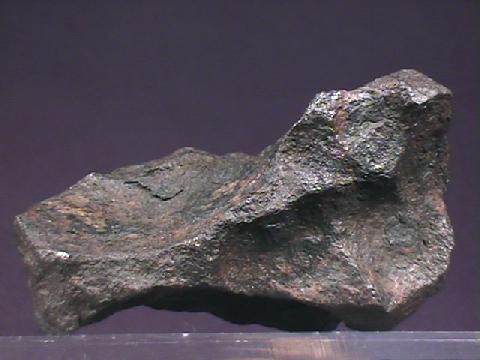
$ 180.00
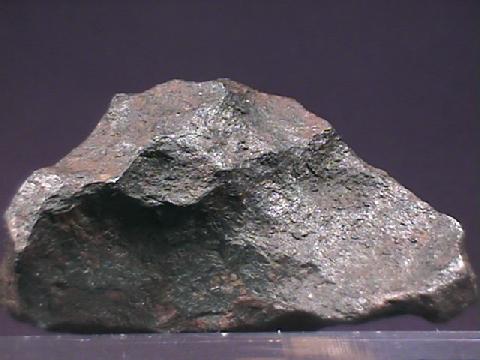
iro-14 ($180.00)
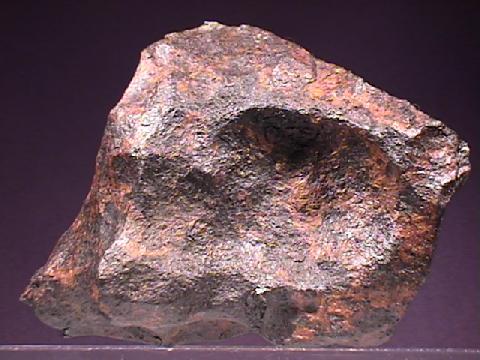
$ 350.00
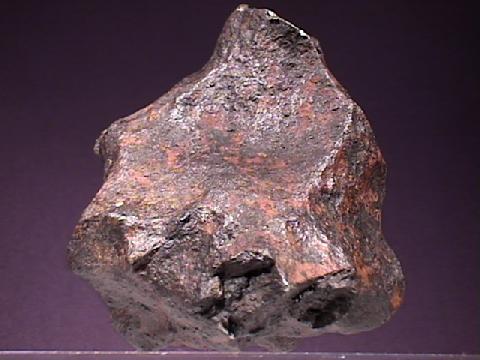
iro-15 ($350.00)
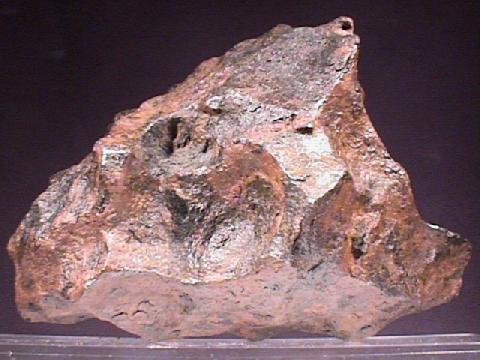 IRON specimen iro-16
$1200.00
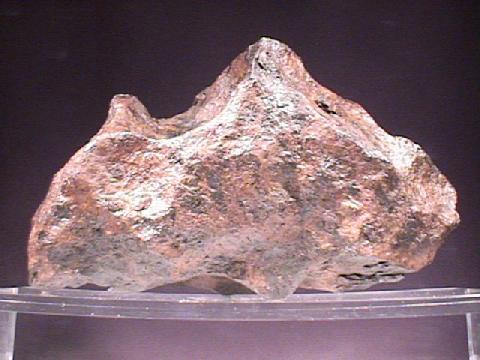
 iro-16 ($1200.00)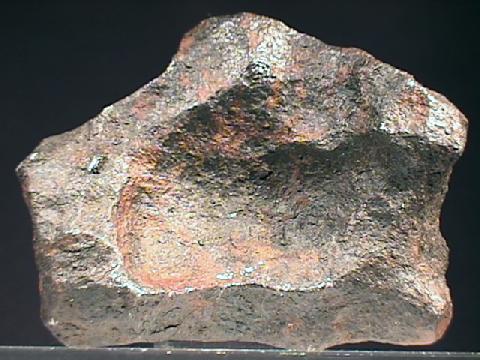
$ 500.00
iro-17 ($500.00)
$ 39.00
iro-18 ($ 39.00)
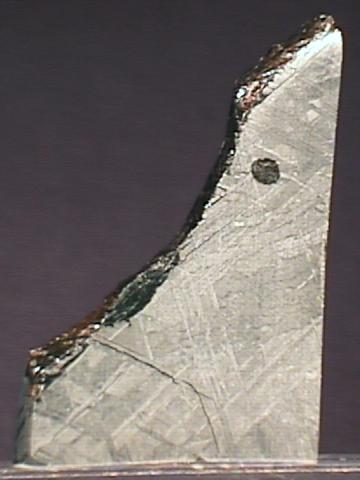
$ 29.00
iro-19 ($ 29.00)
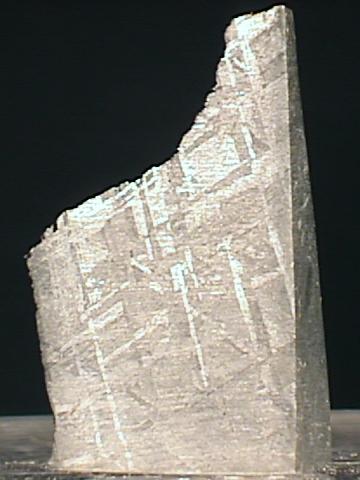
$ 38.00
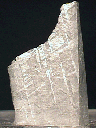
iro-20 ($ 38.00)
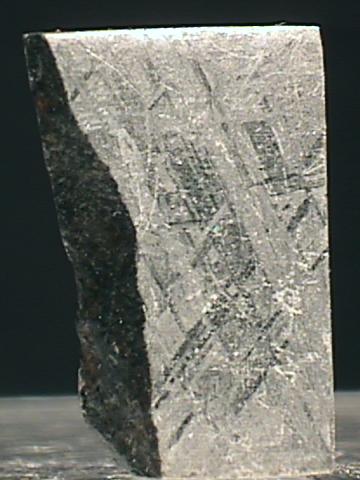
$ 31.00
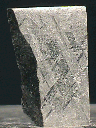
iro-21 ($ 31.00)
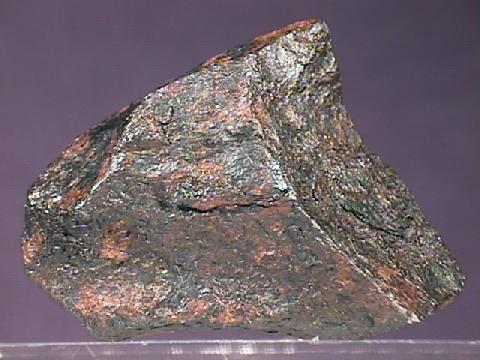
$ 45.00
iro-22 ($ 45.00)
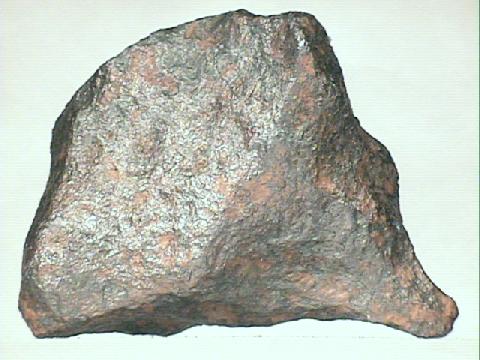
$ 225.00
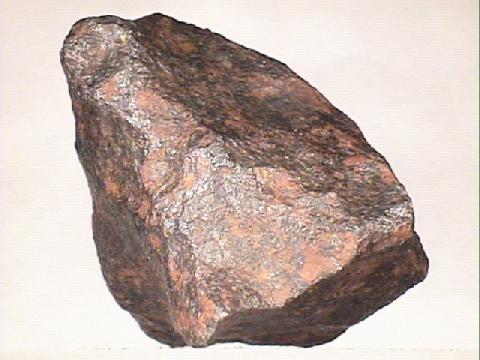
iro-23 ($225.00)
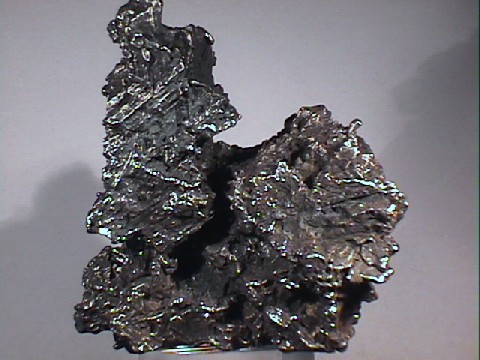
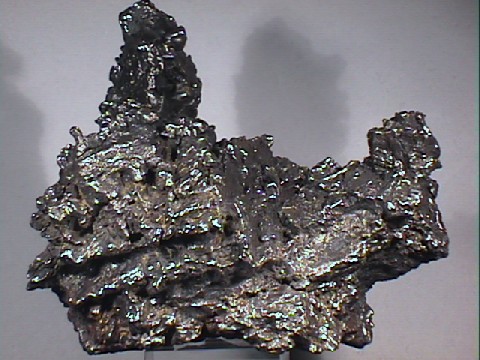 IRON specimen iro-24
$2000.00
 iro-24 ($2000.00)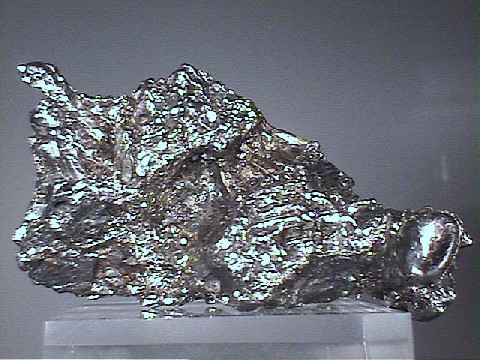
$ 270.00
iro-25 ($270.00)
$ 189.00
iro-27 ($189.00)
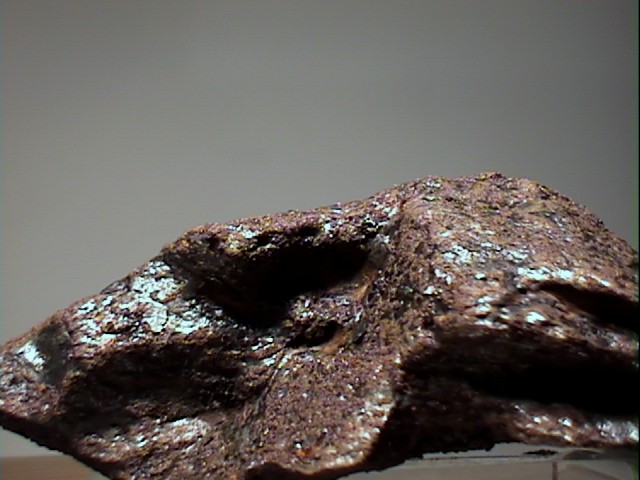
$ 190.00
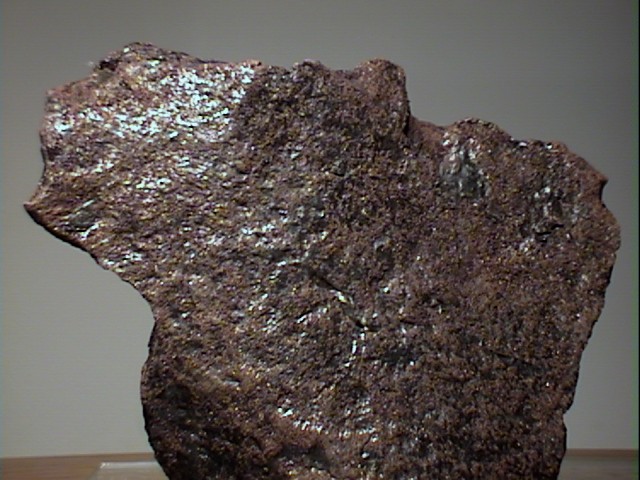
iro-30 ($190.00)
$ 120.00
iro-31 ($120.00)
$ 50.00
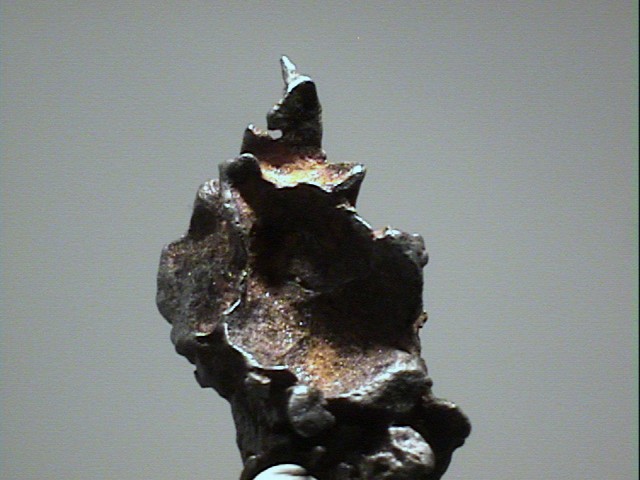
iro-33 ($ 50.00)
$ 80.00
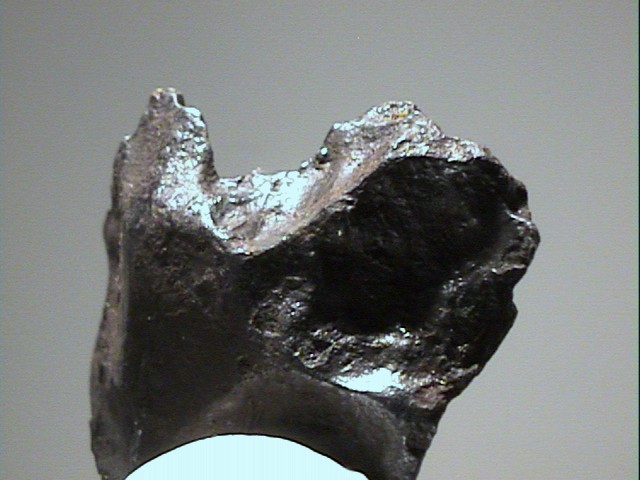
iro-32 ($ 80.00)
$ 80.00
iro-34 ($ 80.00)
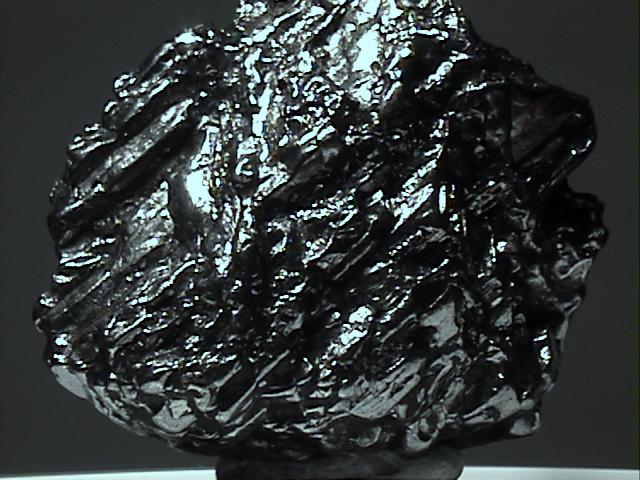
$ 120.00
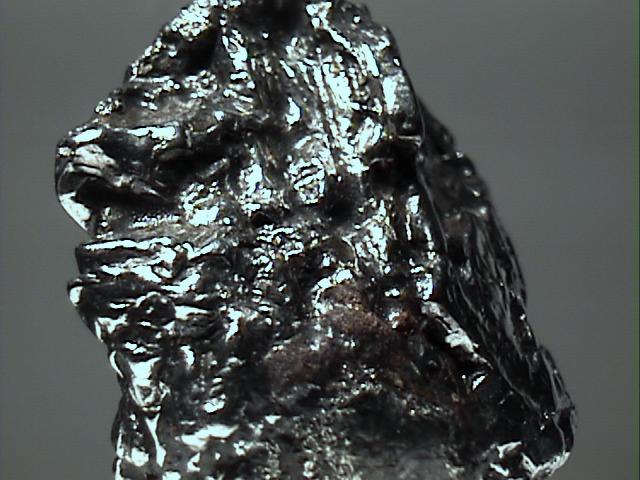
iro-35 ($120.00)
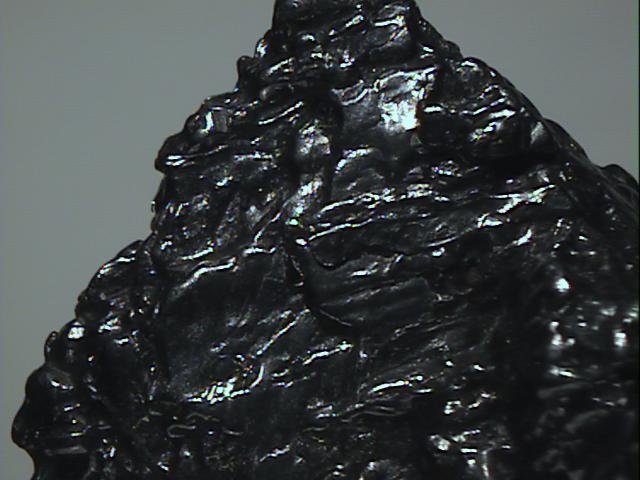
$ 67.00
iro-36 ($ 67.00)
$ 45.00
iro-29 ($ 45.00)
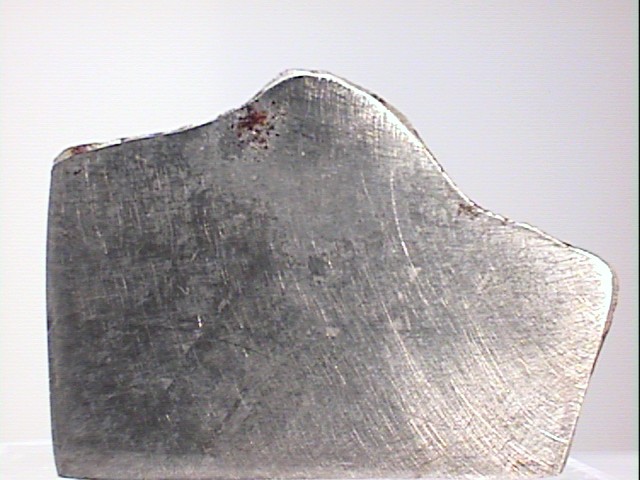
$ 140.00
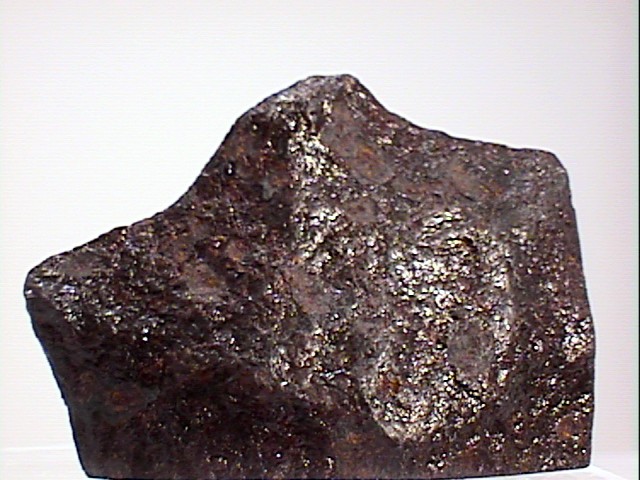
iro-37 ($140.00)
$ 80.00
iro-38 ($ 80.00)
$ 250.00
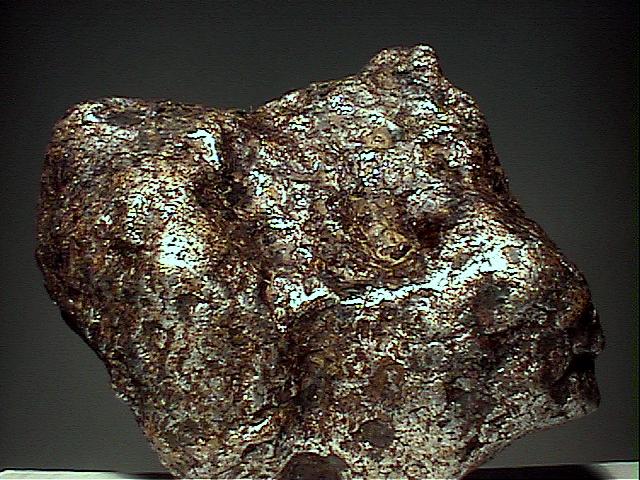
iro-50 ($250.00)
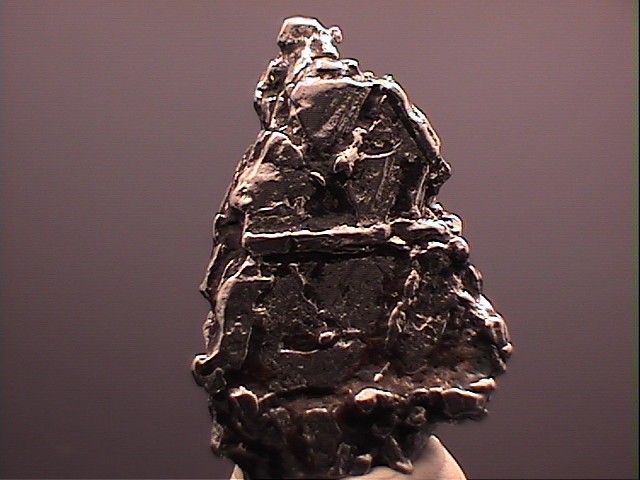
$ 150.00
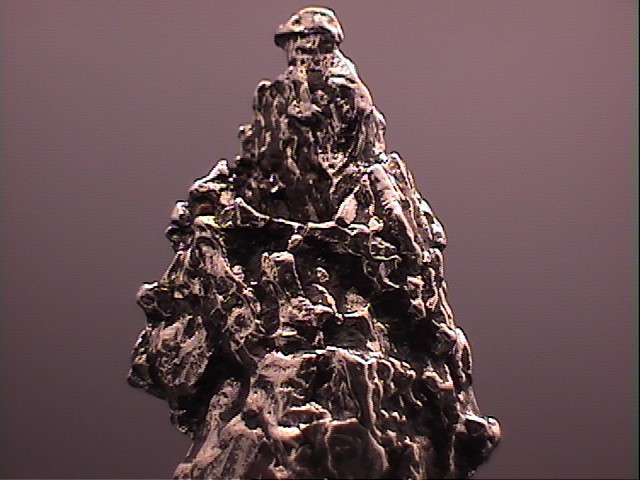
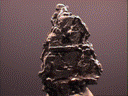
iro-39 ($150.00)

$ 34.00


iro-40 ($ 34.00)

$ 76.00


iro-41 ($ 76.00)

$ 46.00


iro-42 ($ 46.00)

$ 165.00


iro-43 ($165.00)